


A bathroom remodel looks perfect the day the tile goes in. The real verdict comes later, when grout darkens, paint bubbles, or the vanity drawer slams into the door every single morning.
Most bathroom remodeling mistakes stay invisible on day one. That’s exactly what makes them expensive.
What we’ll cover:
- Budget and planning traps
- Moisture mistakes that rot subfloors
- Layout, storage, and lighting errors
- Material and style missteps
- The plumbing decision most remodels skip
At FR Kitchen & Bath, we’ve spent 40+ years designing and building bathrooms. These are the mistakes we see most, and the ones our bathroom remodeling process is built to prevent.
TL;DR: The 10 Mistakes at a Glance
Short on time? This table sums up each mistake and its fix.
| # | Mistake | What It Costs You | The Fix |
|---|---|---|---|
| 1 | Tight budget, no cushion | Stalled projects, cost overruns | 15 to 20% contingency |
| 2 | Skipping waterproofing | Mold, subfloor deterioration | Full membrane behind tile |
| 3 | Overlooking ventilation | Mildew growth, peeling paint | Sized exhaust fan, vented outdoors |
| 4 | Ignoring old plumbing | Leaks behind brand-new tile | Inspect or repipe while walls are open |
| 5 | Poor layout | Daily annoyances, blocked doors | Accurate measurements, real clearances |
| 6 | Storage as an afterthought | Cluttered counters | Plan storage before fixtures |
| 7 | One overhead light | Shadows at the mirror | Layered lighting at 2700K to 3000K |
| 8 | Wrong materials | Frequent repairs | Moisture-resistant surfaces |
| 9 | Style over function | Splashes, dated looks | Function first, trends second |
| 10 | Cutting corners on pros | Code failures, costly repairs | Licensed professionals and permits |
1. Underestimating Your Budget

The most common bathroom remodeling mistake starts before demolition. Many homeowners budget for what they can see, like tile, a vanity, and fixtures, and forget what sits behind the walls.
Bathrooms hide surprises. Open the shower walls, and you might find rotted framing, outdated wiring, or corroded supply lines. Each discovery adds unexpected costs to a budget with no room left.
What Belongs in Your Budget
Build these into your bathroom renovation budget from day one:
- A 15 to 20% contingency fund for hidden structural issues
- Permits and inspections, which vary by town
- Demolition and debris disposal
- Plumbing and electrical changes if anything moves
- Waterproofing, which never belongs on the cut list
Pro tip: If one quote comes in far below the others, ask what’s missing. Waterproofing and plumbing upgrades are usually the first corners to get cut.
Fund It Fully Before You Start
Running out of money mid-project is worse than starting a month later. A half-finished bathroom is the most expensive kind.
If you’re weighing how to pay for it, our guide to financing a kitchen or bath remodel compares the options side by side.
2. Skipping Proper Waterproofing
This one doesn’t announce itself. Waterproofing failure typically shows up between 18 months and four years after a renovation. Look for darkening grout, bubbling paint behind the shower, or tile floors that start to soften and flex.
By then, the damage has spread. Moisture behind tile causes subfloor deterioration, mold, and, in bad cases, structural damage that requires a full tear-out.
What Proper Waterproofing Looks Like
- A continuous membrane behind tile on shower walls and floors
- Correct slope on shower floors so water reaches the drain
- Sealed seams and corners, where most failures begin
- A flood test before tile goes down
Tile Is Not the Barrier
Tile and grout are not waterproof on their own. They’re the finish, not the protection. The membrane underneath does the real work.
3. Overlooking Ventilation
Poor ventilation is one of the most common pitfalls in any bathroom renovation, and one of the most destructive. Every shower pumps moisture into the room. Without somewhere to go, it soaks into walls, ceilings, and cabinets.
The result is mildew growth, peeling paint, warped vanities, and air quality you’d never accept in any other room. The EPA notes that controlling moisture is the key to controlling mold indoors. Contractors regularly replace joists and subfloors ruined by trapped humidity.
How to Get Your Exhaust Fan Right
- Size it properly: roughly 1 CFM per square foot for most bathrooms, with a 50 CFM minimum
- Vent it outdoors, never into the attic or ceiling cavity
- Add a humidity sensor or timer so it runs long enough after showers
- Choose a quiet model rated at 1.0 sone or lower so people actually use it
The Home Ventilating Institute publishes certified fan ratings, so you can compare airflow and noise before you buy.
Don’t Just Move the Problem
Pros consistently recommend fans that vent outside rather than recirculate bathroom air. A fan that dumps humid air into the attic just moves the mold problem upstairs.
4. Ignoring the Plumbing Behind the Walls

This mistake causes some of the most painful damage. Homeowners spend thousands on beautiful fixtures, then connect them to 50-year-old pipes.
When your walls are open, the plumbing is fully exposed. That’s the cheapest moment you’ll ever have to inspect or replace it. Close the walls over corroding supply lines, and a leak can destroy your new bathroom from the inside.
Questions to Settle Before Tile Goes Up
- What material are your supply lines? Galvanized steel or aging copper deserves a hard look
- Are you moving the toilet, tub, or shower? Relocation means new drain and vent routing
- Is your water pressure strong enough for a rain head or multiple shower outlets?
- How long does hot water take to arrive? A long wait is fixable now, not later
The smart move: If the inspection reveals aging pipes, replace them while the walls are open. You avoid paying for drywall access twice and protect every finish you just bought.
Why Design and Build Helps Here
A design and build team earns its keep at this stage. Our designers and trades plan fixture relocations, supply lines, and venting before demolition begins, so your new bathroom works as well as it looks.
Not sure what’s behind your walls? We review your existing plumbing during the consultation, before anything gets ordered.
5. Planning a Poor Layout
Layout errors don’t cause leaks. They cause daily annoyances that grind on you for years: a door that bumps the toilet, a drawer that can’t open fully, or a towel bar three steps from the shower.
Bathrooms demand accurate measurements because inches matter.
Clearances That Keep the Space Comfortable
These minimums and recommendations draw on residential code and NKBA planning guidelines:
| Element | Minimum (Code) | Recommended |
|---|---|---|
| Toilet centerline to side wall | 15 inches | 16 to 18 inches |
| Clear space in front of toilet | 21 inches | 30 inches |
| Shower interior | 30 x 30 inches | 36 x 36 inches or larger |
| Walkway in front of vanity | 21 inches | 30 inches |
Layout Mistakes to Watch For
- Door swings that collide with fixtures or people
- Poor traffic flow when two people share the space
- Towel bars out of reach of the shower or tub
- Grab bars forgotten until after tile, when the blocking is long gone
Pro tip: Tape the layout on the floor with painter’s tape before ordering anything. Walk through your morning routine. You’ll catch problems no drawing reveals.
Lock the Layout Early
Moving fixtures also changes your plumbing costs dramatically. Settling the layout during the design phase, before anything is ordered, shows you which moves are cheap and which ones blow the budget. Our guide to planning your remodel ahead covers which decisions to lock in first.
Sharing the space with little ones? Our kid-friendly bathroom guide covers layouts, finishes, and safety details that work for every age.
6. Treating Storage as an Afterthought
Storage often gets planned last and suffers for it. The result is a new bathroom with cluttered counters by week two.
Plan storage early, alongside your fixture selections, so it fits your actual daily routine.
Storage Ideas Worth Planning Early
- Tall linen cabinets for towels and backup supplies
- Recessed mirrored medicine cabinets that add storage without stealing space
- Open shelves paired with concealed storage for a tidy look
- Under-sink organizers for cleaning supplies
- Drawer outlets so hair dryers and tools stay plugged in and out of sight
Go Vertical in Small Bathrooms
A small bathroom especially needs vertical storage. Wall space above the toilet and inside shower niches is easy to waste and hard to add later.
Custom vanities solve this better than stock sizes. The cabinetry brands we work with can build storage around your exact wall space.
7. Getting the Lighting Wrong
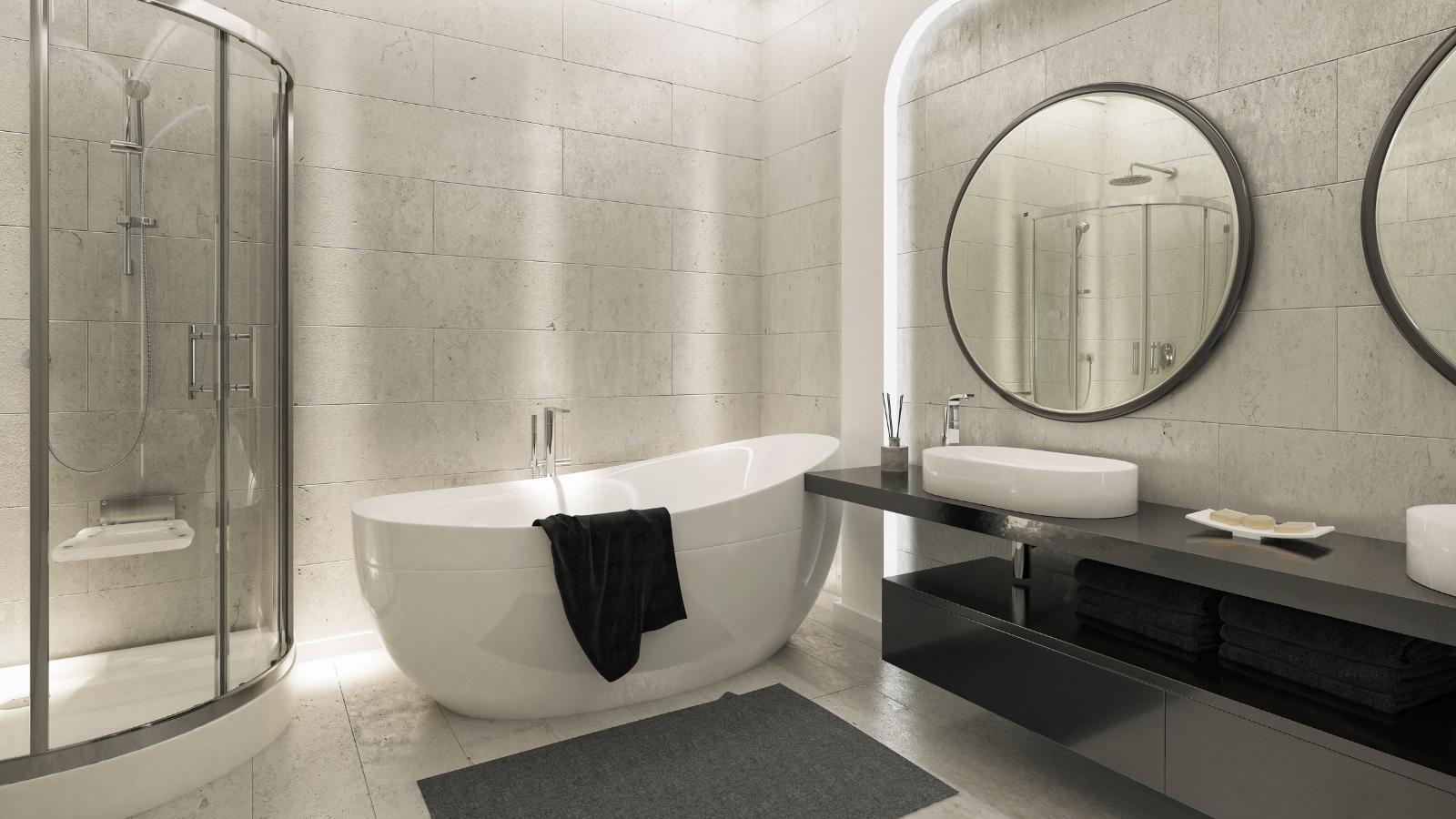
A single overhead fixture is one of the most common bathroom design mistakes. It casts shadows straight down your face, which is the last thing you want while shaving or applying makeup.
The Three Lighting Layers
Good bathroom lighting works in layers:
- Ambient lighting: overall room light from ceiling fixtures
- Task lighting: sconces or a lit mirror at face height on both sides
- Accent lighting: niche lights, toe-kick strips, or a dimmable night glow
Color Temperature and Safety
Color temperature matters just as much. Warm light between 2700K and 3000K flatters skin and feels relaxing, while cooler bulbs make a bathroom feel clinical. Look for a CRI of 90 or higher so colors look true.
Every fixture near water needs the correct damp or wet rating, and all bathroom lighting should meet local electrical code. That’s a job for a licensed electrician, not a weekend project.
8. Choosing the Wrong Materials
Bathrooms punish materials that work fine in every other room. Constant moisture, temperature swings, and cleaning chemicals expose weak choices fast.
How Common Materials Compare
| Material | Moisture Performance | Maintenance |
|---|---|---|
| Porcelain tile | Excellent | Low |
| Ceramic tile | Very good | Low |
| Natural stone | Good when sealed | Needs periodic sealing |
| Standard interior paint | Poor | Absorbs moisture, mildews |
| Solid wood | Poor without treatment | High |
Ceramic and porcelain tile handle moisture and temperature changes better than almost anything else. Natural stone looks stunning on bathroom floors, but it needs periodic sealing to prevent stains and etching.
Smarter Material Choices
- Larger-format tile on walls for fewer grout lines and easier cleaning
- Smaller tile on shower floors for proper slope and better grip
- Epoxy or sealed grout that resists staining
- Mildew-resistant, semi-gloss paint instead of standard interior paint
Choosing materials on looks alone leads to frequent repairs. The right material balances style with the amount of upkeep you actually want.
9. Picking Style Over Function
Style over function looks great on Instagram and frustrates you in everyday life. Trendy details can overshadow practical needs fast.
Common Style-Over-Function Mistakes
- Vessel sinks that splash everywhere when the faucet height or reach is wrong
- Oversized vanities that block door swings and movement
- Doorless showers in a small bathroom, which spray water across the floor
- Finishes chosen for looks that show every water spot and fingerprint
Trends Fade Fast
Trends also age quickly. Matte black tapware, for example, peaked around 2021 and is already starting to look dated in 2026.
A functional layout outlasts design trends. Pick timeless foundations like tile, layout, and plumbing, and let trends live in swappable pieces like mirrors, hardware, and towels. For ideas built to last, see how global wellness trends are shaping spa-style bathrooms that stay relevant.
10. Cutting Corners on Pros and Permits

DIY saves money on paint and accessories. It rarely saves money on plumbing, electrical, or waterproofing, where mistakes hide behind walls until they turn into water damage.
Where Licensed Professionals Earn Their Fee
- Plumbing: drain slope, venting, and leak-free connections
- Electrical: GFCI protection and wet-rated fixtures
- Waterproofing: membrane installation and flood testing
- Permits: required in most towns when plumbing or electrical changes
In Connecticut, you can verify a contractor’s home improvement registration at elicense.ct.gov in under two minutes.
Don’t Skimp on Fixtures
Cheap fixtures belong on this list too. Budget faucets and valves often lead to leaks and fast deterioration. Look for solid brass bodies, ceramic-disc cartridges, and pressure-balanced or thermostatic shower valves.
Permits Protect Your Investment
Building codes exist for good reasons. Skipping permits can cause problems at resale and with insurance, turning a small saving into costly repairs later.
Hiring right takes time upfront, but it can save thousands over the life of your bathroom. Our clients consistently say the same thing: the process matters as much as the finish.
Build a Lasting Bathroom With FR Kitchen & Bath
The best bathroom remodels aren’t the flashiest. They’re the ones still working perfectly ten years later, because every decision behind the walls was made right before the tile went up.
Key takeaways:
- Budget a 15 to 20% contingency for hidden surprises
- Never skip waterproofing or a properly vented exhaust fan
- Check your plumbing while the walls are open
- Measure twice and plan storage early
- Layer your lighting at 2700K to 3000K
- Choose function first, then style
Your new bathroom deserves decisions that last as long as the tile. With 40+ years of design and build experience, our team handles layout, plumbing coordination, waterproofing, and finishes under one roof. Schedule a free consultation and build it right once.
Frequently Asked Questions
What bathroom renovation mistakes do contractors see most often?
Skipped waterproofing, poor ventilation, unrealistic budgets, and remodeling over aging plumbing. Each causes hidden damage that surfaces months or years after the project finishes.
What is the overlooked requirement before a bathroom remodel?
A plumbing inspection. Checking pipe material, water pressure, and drain condition before demolition prevents leaks behind new tile and costly changes mid-project.
What are some outdated bathroom trends to avoid?
Matte black tapware, all-gray color schemes, vessel sinks without matching faucets, and heavily patterned tile now date bathrooms quickly. Timeless finishes age better.
What is the hardest part of a bathroom remodel?
Coordinating plumbing, electrical, and waterproofing in a tight space. These trades must work in sequence, and a mistake in one can damage the others.
